
Pros and Cons of fixed gear bikes. For those of us who are “die hard” fans, the fixed gear bike – often called a fixie – represents a pure riding experience. It’s simple, direct, and for many, deeply satisfying. But, as we noted, it’s also a niche choice, and understanding why some people find it less appealing can help clarify its appeal.
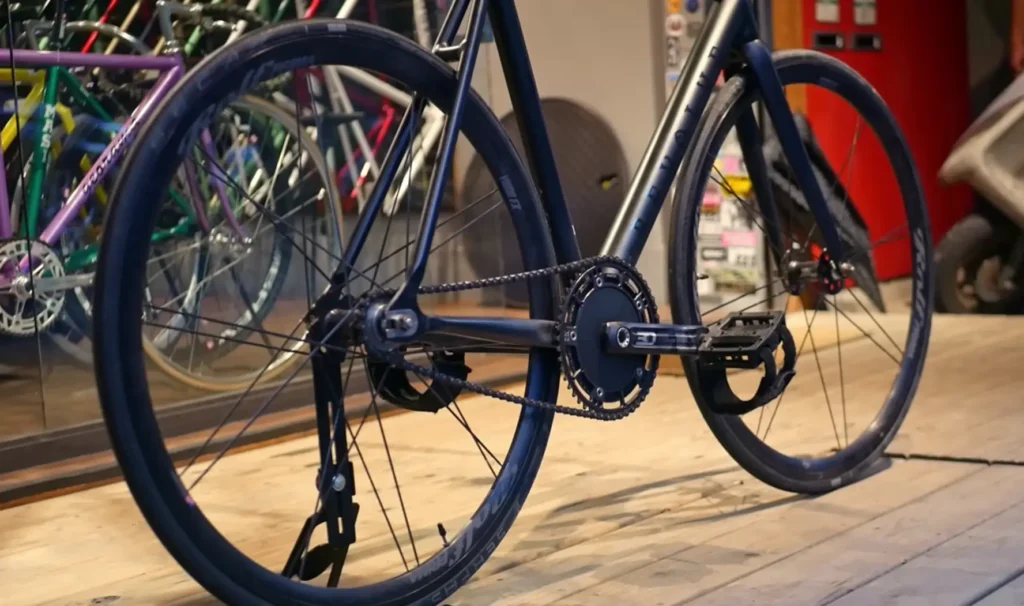
The journey into fixed, or fixed gear, often starts with a fascination. Perhaps it’s the clean lines, the minimalist aesthetic, or the direct connection to the bike’s movement that draws you in. But before
fully committing, it’s worth considering the balance of pros and cons.
The Allure of Fixed Gear: The Pros
For enthusiasts, the primary attraction is that feeling. What is it? It’s the direct connection. When you pedal, the bike moves; when you stop pedaling, the bike stops. This immediate feedback can feel incredibly satisfying to some riders. There’s a certain simplicity to it, a lack of complicated gears or freewheeling coasting that can feel like a return to the very basics of cycling.
Some riders find the efficiency of constant pedaling appealing, especially on flat terrain. Maintaining momentum without coasting can feel direct and purposeful. This different pedaling effort can be
invigorating. Furthermore, the stripped-down look, the single gear chain, can be visually striking and appealing to many.
The Challenges of Fixed Gear: The Cons
But, this simplicity also brings challenges. The inability to coast is perhaps the most significant hurdle for many. Coasting is a natural part of riding geared bikes – you can stop pedaling and still glide forward until gravity takes over. On a fixed gear, you must keep pedaling constantly, even when climbing hills or stopping at lights. This constant pedaling requires significant strength and endurance, especially for longer rides or steep inclines. It can be tiring, and for some, it feels unnatural or even like a form of “masochism” – a term sometimes used to describe the physical commitment required.
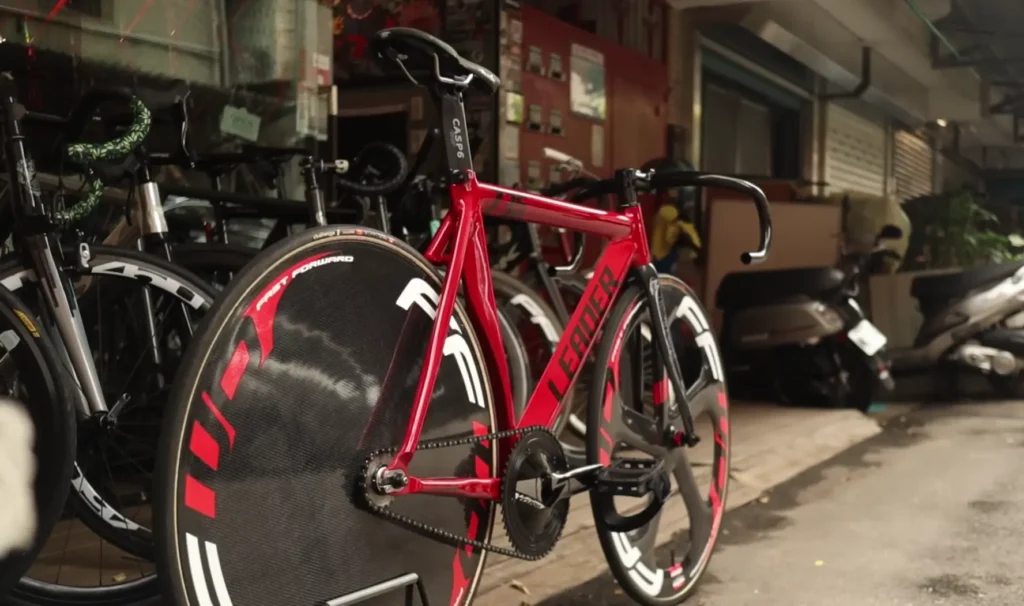
Furthermore, the minimalist nature of many fixed gear setups can be a drawback. While the stripped-down look is appealing, it often means sacrificing practicality. Common accessories like fenders (mudguards) or racks are frequently omitted. This makes commuting in wet or muddy conditions less comfortable and limits the bike’s utility for carrying loads. While some purists appreciate this, it can be a deal-breaker for others.
There’s also the aspect of community and demographics. The fixed gear scene, as mentioned, can be heavily skewed towards certain aesthetics or demographics, sometimes perceived as younger or more urban.
This isn’t a criticism, but rather an observation – it means the social and cultural fit might not be for everyone.
Additionally, embracing fixed gear often means embracing older technology. Many fixed gear bikes and components lag behind modern standards. This can mean heavier frames, less efficient braking (like rim brakes instead of discs), and potentially less refined designs compared to the latest advancements in cycling tech.
The Verdict of the Fixed gear bikes
So, where does that leave the fixed gear bike? For many, the pros – the direct connection, the simplicity, the unique riding feel – far outweigh the cons. It’s a bike designed for those who appreciate its specific demands and aesthetics.Regardless of whether the pros outweigh the cons for you, you’ll need a reliable machine. We’ve compiled a list of the best fixed gear bikes under $1000 available right now to help you make an informed decision.
Ultimately, the fixed gear bike is a niche choice. It offers a unique and, for some, deeply rewarding riding experience. But it requires a commitment to constant pedaling and often sacrifices practicality and modern tech for its minimalist charm. Whether it’s the right fit depends entirely on the individual rider’s preferences and needs.