
A Practical Commuter Bike Buying Guide: Starting a new habit often begins with a simple question. If you have decided that this is the year you want to take up cycling for work, school or errands, the next step is choosing the right bike. The options can feel overwhelming at first. There are different categories, a wide range of prices and several important details to think through before you walk into a shop. Below is a clear guide to help you make a confident and informed choice.
Decide What Kind of Riding You Will Be Doing
Before comparing prices or components, think carefully about how you will actually use your bike. Many bicycles can be ridden across different types of terrain, but each category is designed with a purpose in mind. For commuting you will most likely be choosing among road, commuter, hybrid or gravel options.
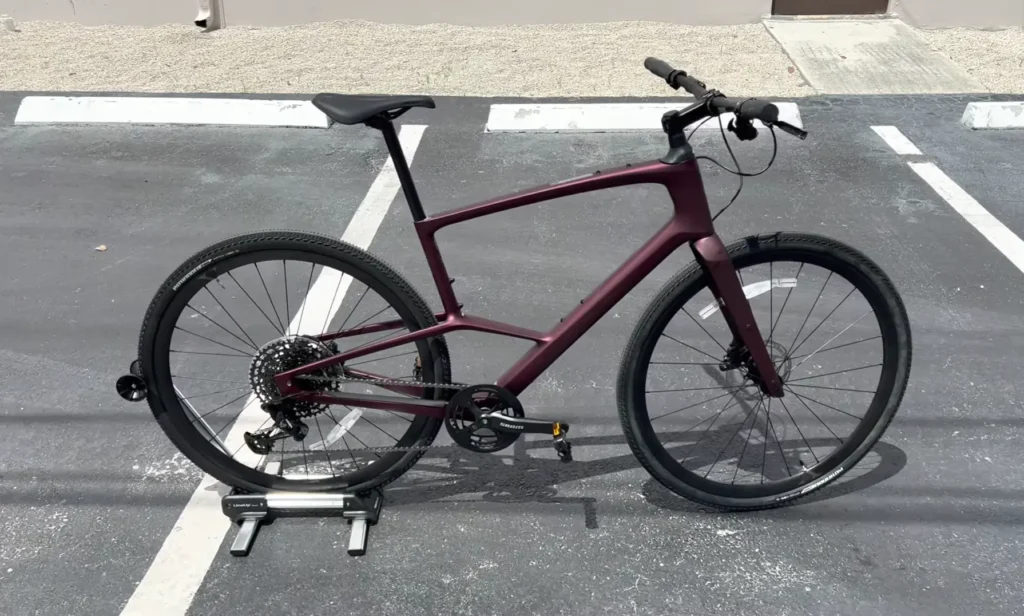
A road bike is the lightest and fastest choice on paved surfaces. It has narrow tires, dropped handlebars and gearing suited to covering long distances. If your commute is fully on tarmac and you want something efficient for fitness rides as well, an endurance road bike offers a more relaxed fit than a race model and is usually more comfortable for beginners.
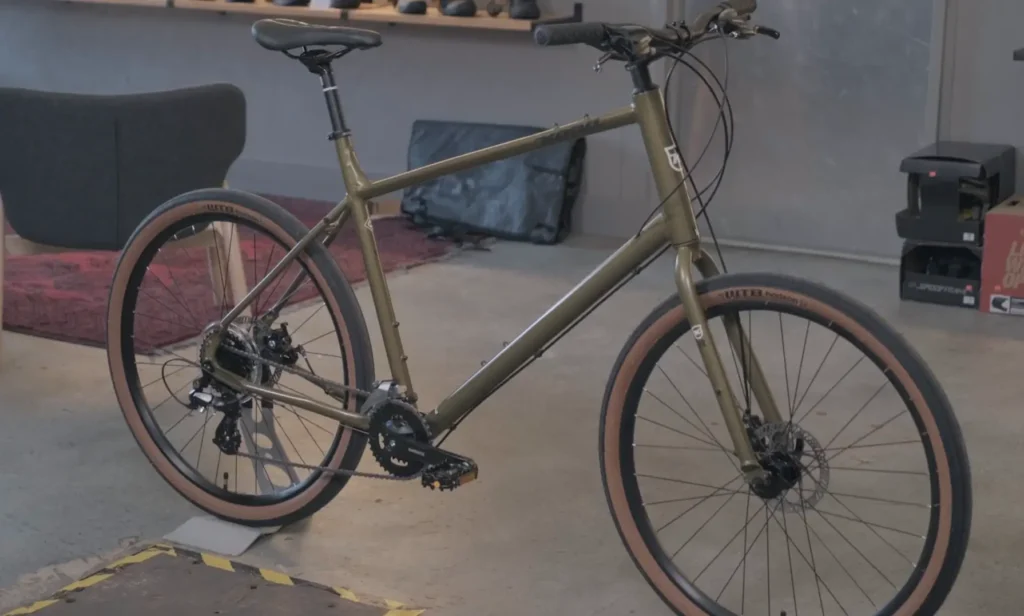
A commuter or hybrid bike focuses on ease of use. These bikes have an upright riding position, practical gearing and enough comfort to make shorter daily trips enjoyable. They are usually the most affordable and the most straightforward to maintain. For many people riding to work or doing errands around town, this category is exactly what they need.
A gravel bike sits between road and mountain bikes. It looks similar to a road bike but has clearance for wider tires and easier gearing. This makes it suitable for mixed surfaces and unpaved shortcuts. By fitting smooth tires you can turn it into an efficient endurance commuter. If your commute includes rough paths, canal trails or you simply want one bike to explore a bit of everything, a gravel model is a strong option.
Get a Bike Fit Before You Choose a Bike
A bike that fits your body properly will make your rides far more enjoyable. A professional bike fit can be done even before owning a bike since many fitters use adjustable jigs to measure your posture, leg length, flexibility and preferred reach. These measurements help determine the right frame size along with ideal handlebar width, saddle width, crank length and stem length.
This step is especially valuable if you are unusually tall or short. It also helps women identify saddles and contact points that suit their anatomy better. The key idea to remember is that most parts on a bike can be swapped, but buying a frame that matches your proportions from the start makes every upgrade easier.
Set a Realistic Budget
Think about what you can comfortably spend and then allow a small margin for quality. A well chosen bike will last longer and support your progress as you ride more. Entry level bikes begin around five hundred dollars, and many excellent secondhand options cost even less. Spending more typically reduces weight and sometimes improves gear range, but lighter parts do not automatically make you faster. Extra riding time will always improve your fitness more than an expensive upgrade.
If you step into higher price ranges you may see carbon frames, electronic shifting or upgraded wheelsets. These features are pleasant to have but are not required for commuting. It is also important to remember accessories when setting your budget. Essentials include a helmet, lights, a basic tool kit, spare inner tubes, a pump and a pair of padded shorts for longer rides.
Choose Gearing and Components Wisely
Once you have settled on a frame style and size, look at the group set, which includes the brakes and gears. Different brands function in similar ways, so what matters most for commuters is the gear range. Smaller chainrings paired with larger rear cogs create easier gears for climbing and for riding steadily at comfortable cadence. Many commuter, hybrid and gravel bikes already come with generous gear ranges suited to city terrain.
Modern bikes increasingly come with disc brakes. They provide strong and predictable stopping power in all weather, which is reassuring during daily use. Rim brakes can still be found on some models but disc brakes are becoming the standard for good reason.
Wheels also influence how the bike feels. Entry level wheels focus on strength, which often means extra weight. You may notice this on hills, but for commuting they are dependable and easy to maintain. Later, once you gain experience, upgrading tires or wheels can make your bike feel quicker without replacing the entire setup.
Learn Basic Maintenance and Road Skills
After choosing your bike, spend a little time learning simple maintenance. Keeping your chain lubricated, inflating your tires properly and understanding how to adjust your gears can prevent premature wear. Learning how to replace an inner tube is also helpful so you can handle a puncture during a commute without being stranded.
Riding safely and comfortably in traffic is the final piece of the puzzle. Keep predictable lines, signal early and stay aware of your surroundings. With a well fitted bike and a bit of routine care, commuting by bicycle becomes a convenient daily habit that improves both fitness and mood.