
best full suspension mountain bikes under $500. Top 5
TLDR: Our List of Best full suspension mountain bikes under $500:
| Bike & Best For | Geometry (S/R) | Price |
|---|---|---|
| Mongoose Ledge X2 Best Overall | S: 609mm R: 467mm | $498.00 |
| Schwinn S29 Taller Riders | S: 625mm* R: 450mm* | $488.68 |
| Kent Trouvaille Hardtail Alt* | S: 630mm* R: 470mm* | $398.00 |
| Mongoose Status 2.2 Budget Choice | S: 580mm* R: 410mm* | $339.99 |
| Hiland Gamille Sleek Utility | S: 595mm* R: 435mm* | $309.99 |
*Measurements marked with an asterisk are estimated based on frame size and third-party rider data.
Mongoose Status 2.2 $339
Hey everyone! Today we’re taking a deep look at a bike that’s been surprising me lately: the Mongoose Status 2.2. Now, I’ve done a full trail ride demo on this bike over on my channel, but I wanted to break down why this is easily one of the best mountain bikes you can find for under $500-and honestly, often way under that if you’re a savvy shopper.
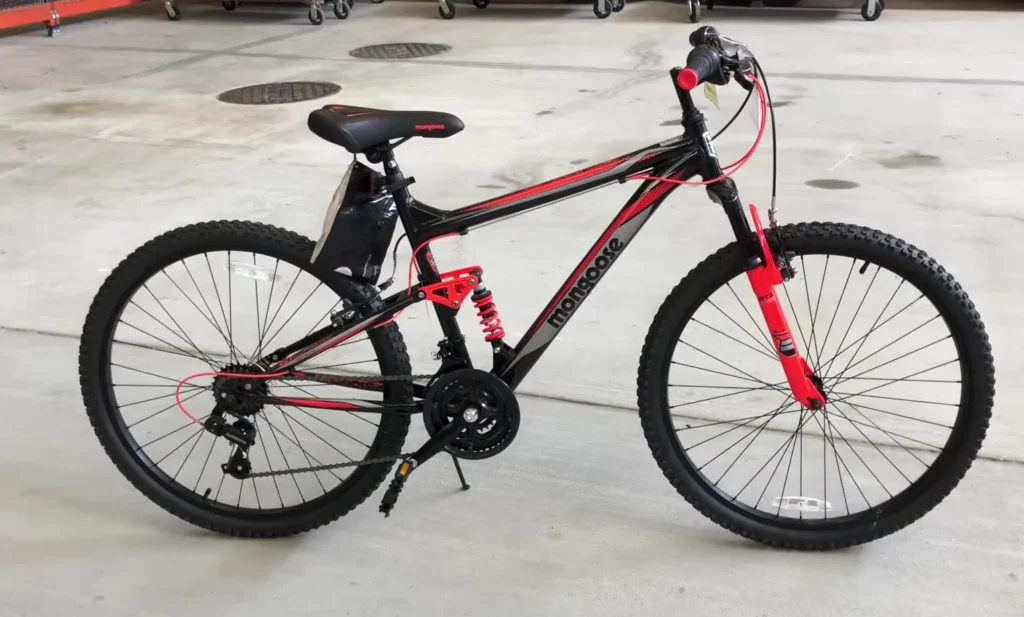
Let’s talk about the gears, because I like the gearing selection on this bike very, very much. It’s got a 7-speed freewheel in the back (making it a 21-speed total with the front rings), and it uses a Shimano rear derailleur. In my testing, it’s been very smooth and very nice.
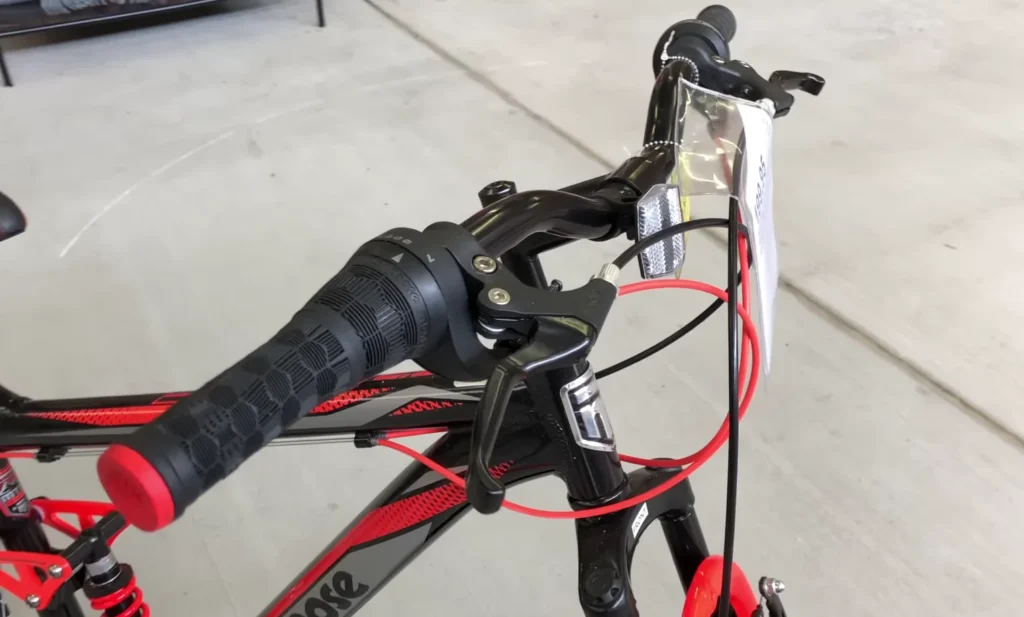
Now, it doesn’t have fancy trigger index shifting; it uses standard twist-grip shifting. But you know what? In my opinion, it works very, very well. It’s simple, it’s intuitive, and it gets the job done without any fuss. For an entry-level rider, that’s exactly what you want.
The “2.2” in the name distinguishes it from the 2.5 (which usually comes with disc brakes), but don’t let the V-brakes fool you-this frame is a winner. Here are the highlights of the build:
- Aluminum Frame: It features hydroformed aluminum tubing with really nice, clean welds.
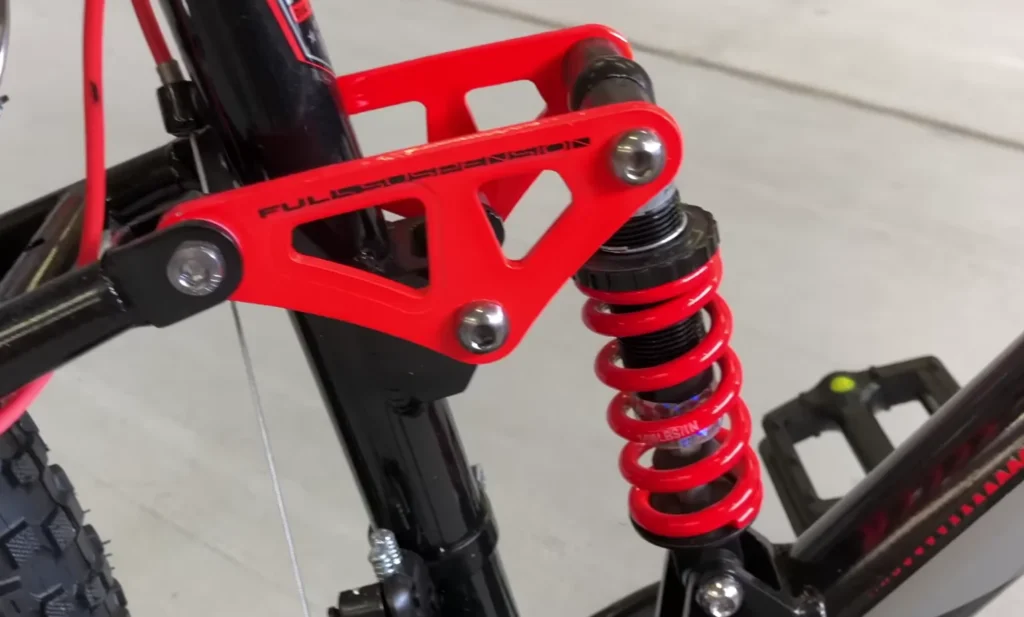
- Full Suspension: The front and rear suspension are fantastic for a bike at this price point. I’ve taken this on trails with plenty of rough portions-rocks, roots, and bumps-and it performs.
- Pivot Points: If you look closely at the frame, you’ll see well-placed pivot points that allow the rear shock to actually do its job. It’s a comfortable ride no matter what you’re doing.
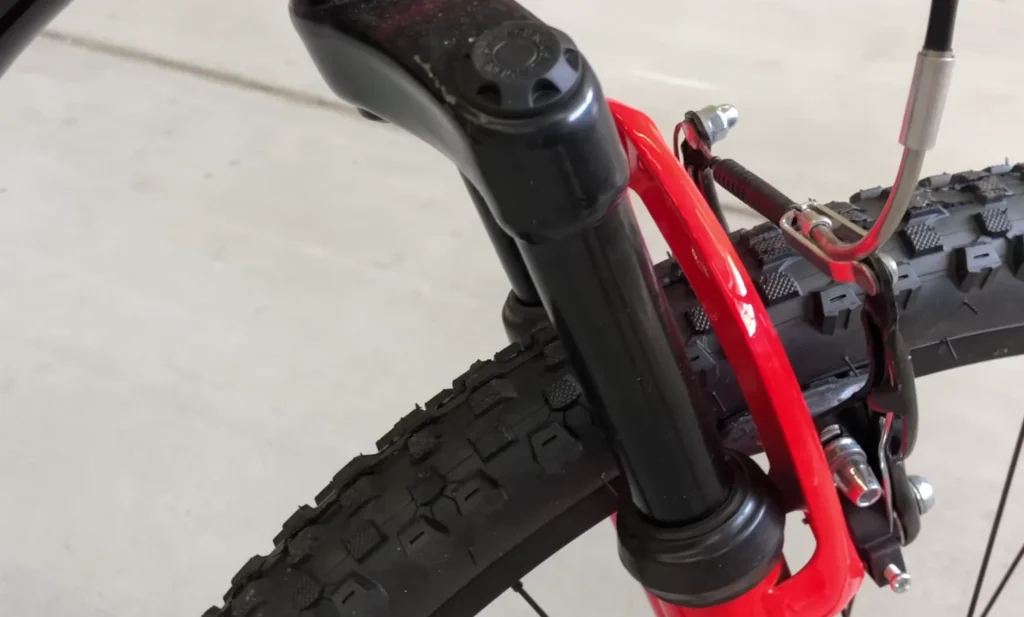
I haven’t gone over massive logs with it yet, but for your standard trail ride, the suspension works together admirably to take the punishment off the rider.
One thing I have to mention is the saddle. It’s got a nice slim profile, and it’s that perfect mix of firm and soft. It’s comfortable, but not “too” comfortable, which is what you want for actual trail riding. You also get a quick-release seat post, which is a must-have for adjusting your height on the fly.
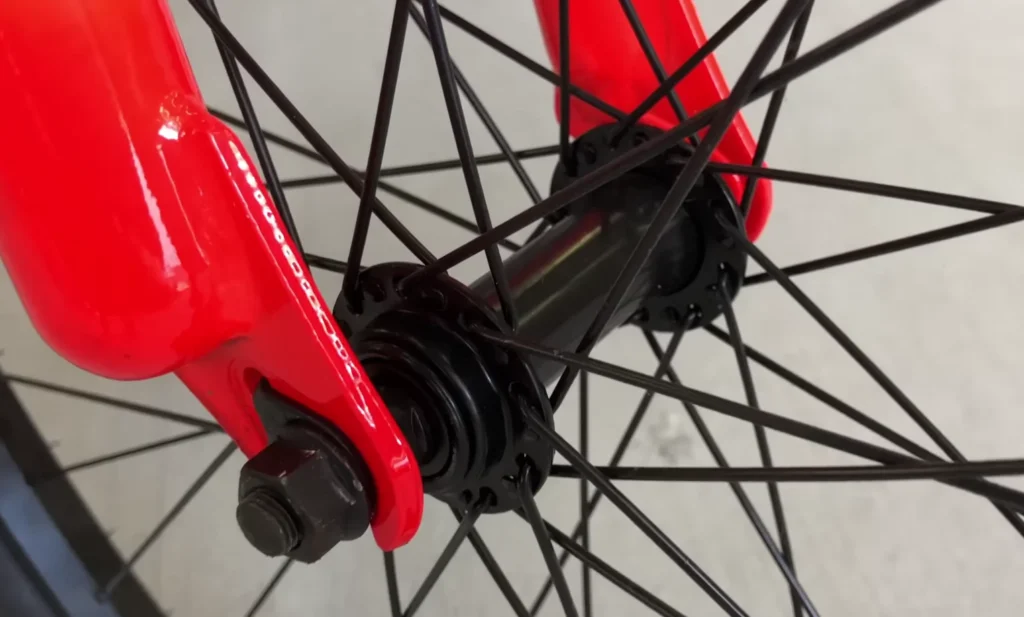
Beyond the trails, this bike is a workhorse. I’ve actually been using it to tow my dog, Buddy, in our Schwinn pet trailer. Whether I’m on my totem Victor 2.0 e-bike or this Mongoose, the Status 2.2 handles the weight of a trailer and a dog very well. It proves that a “budget” bike can be a versatile tool for your everyday adventures.
The Mongoose Status 2.2 usually tips the scales at around 35 to 40 pounds, which is respectable for a full-suspension aluminum rig. While it comes with standard thin plastic pedals, those are an easy $15 upgrade if you want more grip.
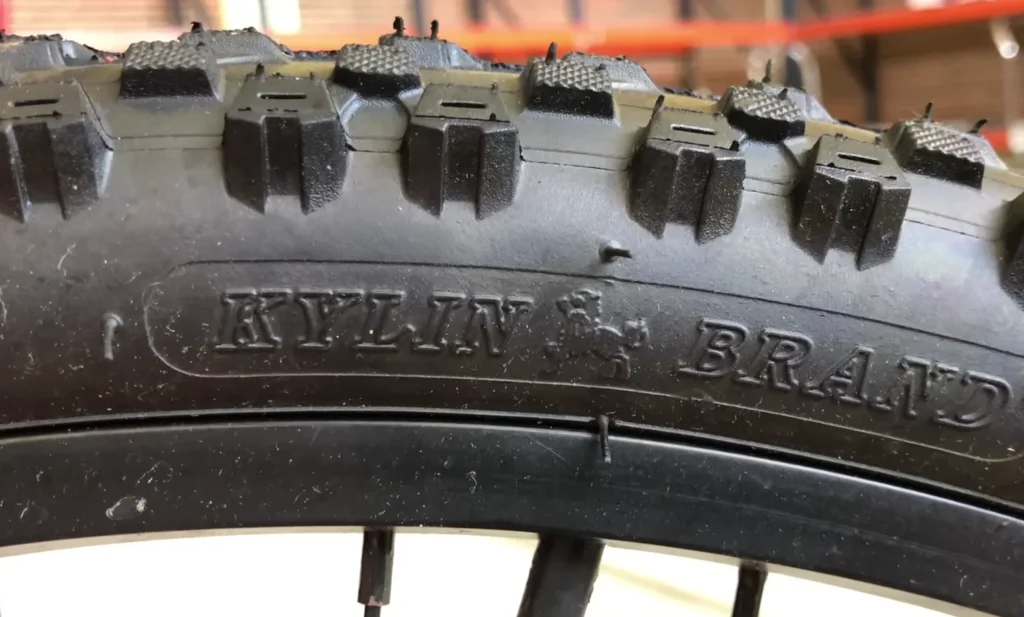
For the price-often found between $200 and $350-you’re getting a trail-worthy bike that looks great (love that color!) and performs even better. It’s an extremely good sampling of what Mongoose can do for the budget-conscious rider.
If you want to see this bike in action, make sure to check out my “Mongoose Status 2.2 Trail Ride Demo” video. And if you enjoyed this breakdown, give it a thumbs up and consider subscribing to the channel. We’ve got a ton of stuff going on, from trail rides to dog trailer adventures!
Mongoose Ledge X2 $498
A month ago, I debuted the new Mongoose Ledge X1, a bike so impressive that I turned it into the fastest project build I’ve ever done. But while I was busy in the workshop, Mongoose was busy too. Today, we’re looking at the newest iteration of the lineup: the Mongoose Ledge X2. This isn’t just an X1 with bigger wheels; it’s a bike that takes everything good about its predecessor and steps it up in a massively big deal.
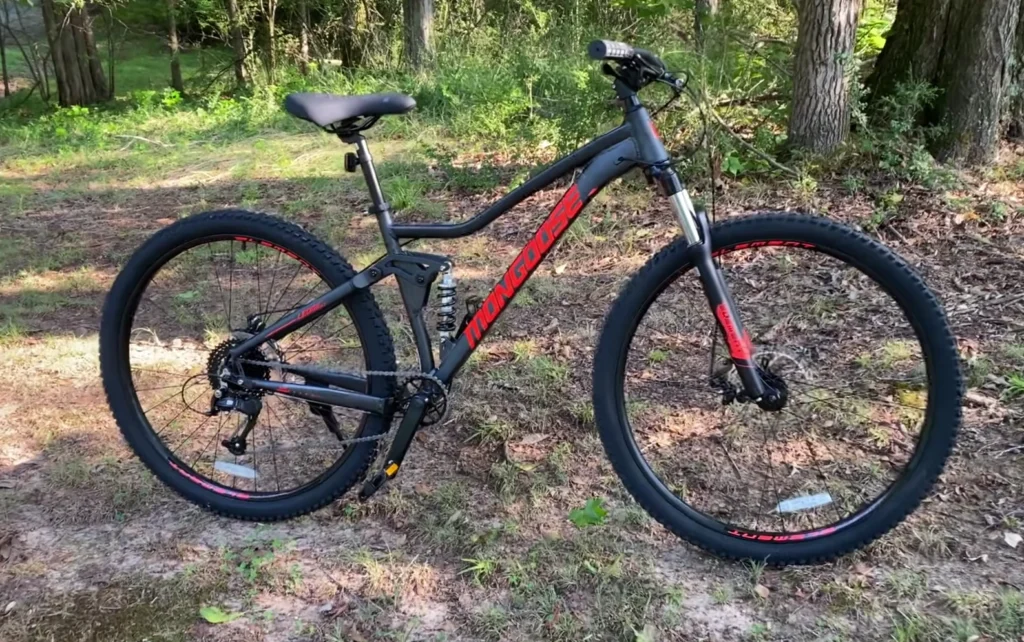
Let’s start with the basics. The X2 moves to a 29-inch platform, but the frame isn’t just a stretched-out X1. It’s a 17-inch alloy frame with its own specs, featuring a beautiful charcoal grey finish. One thing you’ll notice immediately is that the graphics are painted or clear-coated over. On the X1, we had stickers; on the X2, the branding is part of the finish. To me, that shows Mongoose spent a little more time and care on this frame.
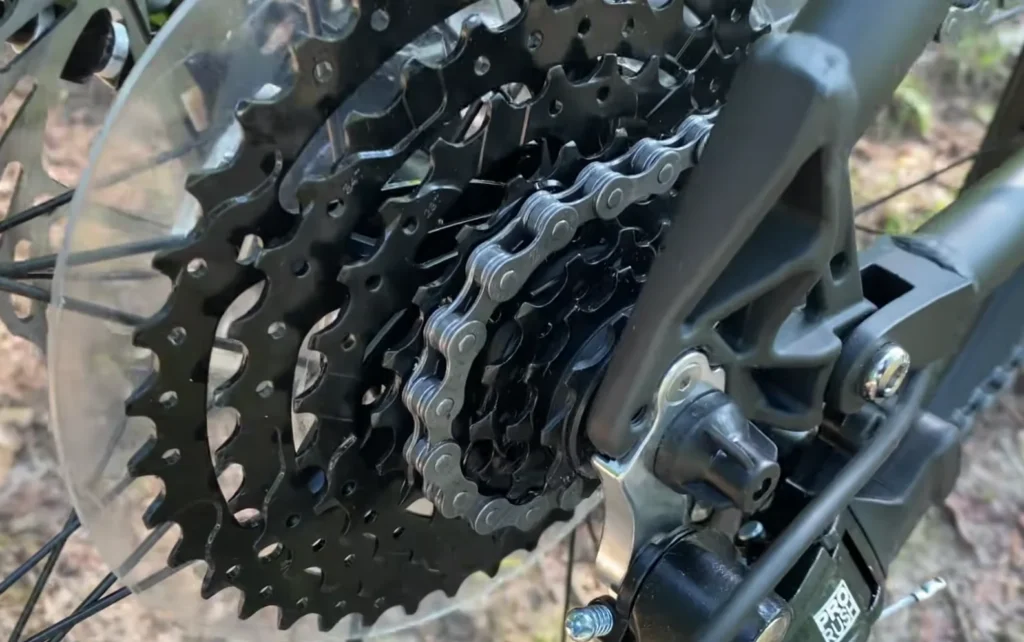
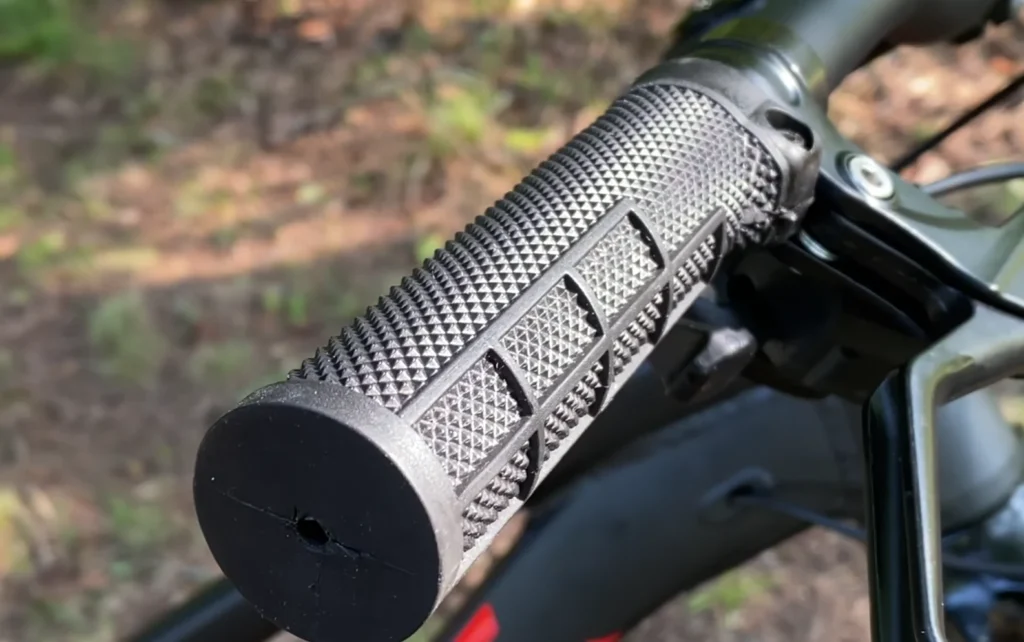
The cockpit remains familiar with 720mm steel handlebars and lock-on grips, but the braking gets a nice bump with a 180mm front rotor for extra stopping power. However, the real story starts with the drivetrain. We’re looking at a ProRush 8-speed system-that’s one extra gear over the X1. It features a trigger shifter and a clutch derailleur. Let that sink in: a clutch derailleur on a budget bike. This keeps the chain from slapping around when the trail gets rowdy, which is a total game-changer for this price point.
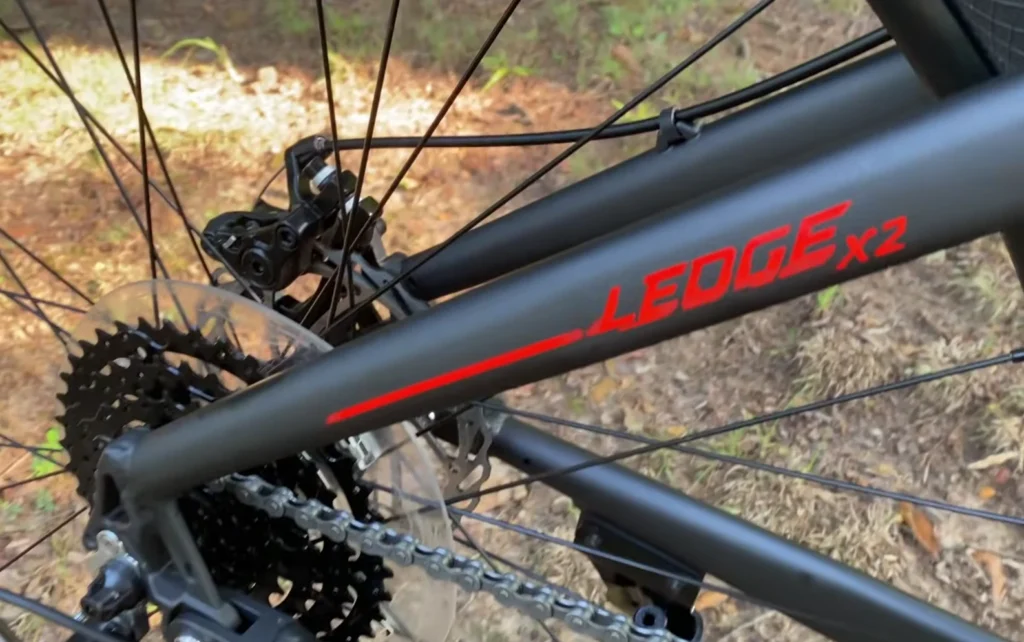
Then there’s the rear wheel. This is where Mongoose really erodes the arguments against big-box bikes. The X2 features a quick-release rear wheel with a cassette-not a freewheel. A cassette is stronger and makes the upgrade path to 10 or 12 speeds much easier. Pair that with a 170mm ProWheel crankset and alloy pedals, and you’re looking at components that I’ve seen on local bike shop bikes costing hundreds of dollars more.
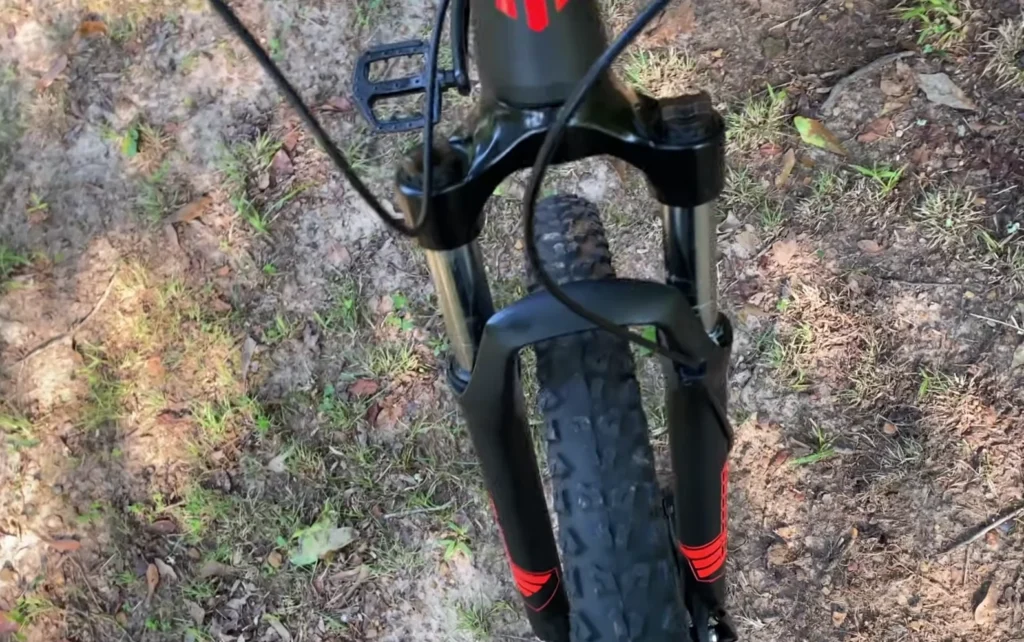
Under the hood, the frame tech is equally impressive. We have a tapered head tube, which is the “golden ticket” for anyone looking to upgrade to a high-end air fork later on. Speaking of suspension, the factory fork is a slight upgrade over the X1, featuring dual preload adjusters and a much stiffer arch that significantly reduces flex.
But the real “first” for big-box full suspension is the pivot system. This bike uses actual bearings in the pivots rather than the cheap plastic bushings we usually see. This means the 165mm coil shock can actually do its job smoothly without that annoying squeak or “stiction” common in budget rigs.
On the trail, the X2 feels modern. It doesn’t have that “sitting on top of a truck” feel that some 29ers have. Instead, the 29-inch wheels offer extra rollover clearance, meaning fewer pedal strikes when you’re powering over humps and roots. At 39.2 pounds, it’s not a featherweight, but the efficiency of the Horst-link style suspension helps it motor up hills better than you’d expect.
Is it perfect? Well, my ProRush derailleur took a beating from UPS during shipping, and I had to massage the hanger back into shape, but that’s the reality of the budget bike world. You’ll want to check your bolts and maybe add a little grease to the seat post out of the box.
Ultimately, the Mongoose Ledge X2 is a record-setting value. With internal cable routing, dropper post readiness, and a drivetrain that actually belongs on a trail, it’s not just a budget bike-it’s a legitimate entry-level mountain bike that gives riders a real upgrade path. If you’re looking for the best full suspension under $500, the Goose has officially landed.
Kent Trouvaille $398
Can you ride a bike from Walmart on a real mountain bike trail? I’ve been saying “yes” for years, but today I’ve got even better proof than my own testing. I recently caught up with Bob, our subscriber, to look at his Kent Trouvaille. If there was ever a bike that proves the “big box” stigma is fading, this is it.
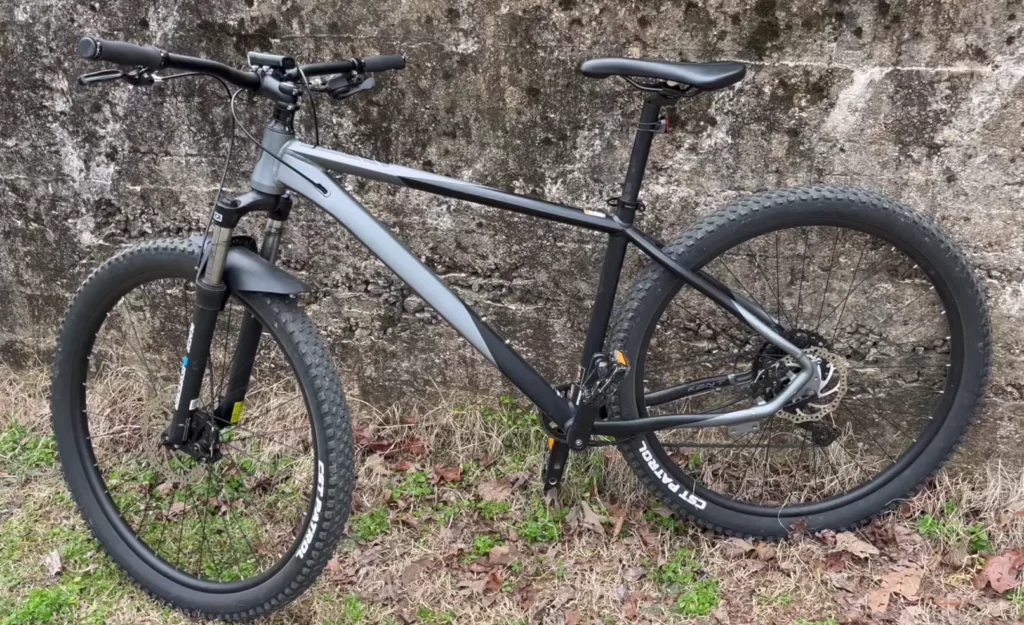
Bob has owned this Trouvaille for about a year now, and it isn’t just a garage ornament. He estimates he’s had it out on the trails at least 20 times in the past twelve months. When I saw him, he was riding with a group of mountain bikers on rigs that cost ten times what he paid. And the kicker? He’s having just as much fun.
Let’s talk about the deal of the century. Bob picked this Trouvaille up brand new on sale for-get this-$300. While the MSRP is usually higher, his experience shows what a little savvy shopping can do. I asked him straight up: if he hadn’t been able to find a capable bike within his budget, would he be out here riding today? His answer was a flat “no.” That right there is why these bikes matter. They aren’t just pieces of metal; they are gate-openers for people who want to get into the sport without dropping two grand.
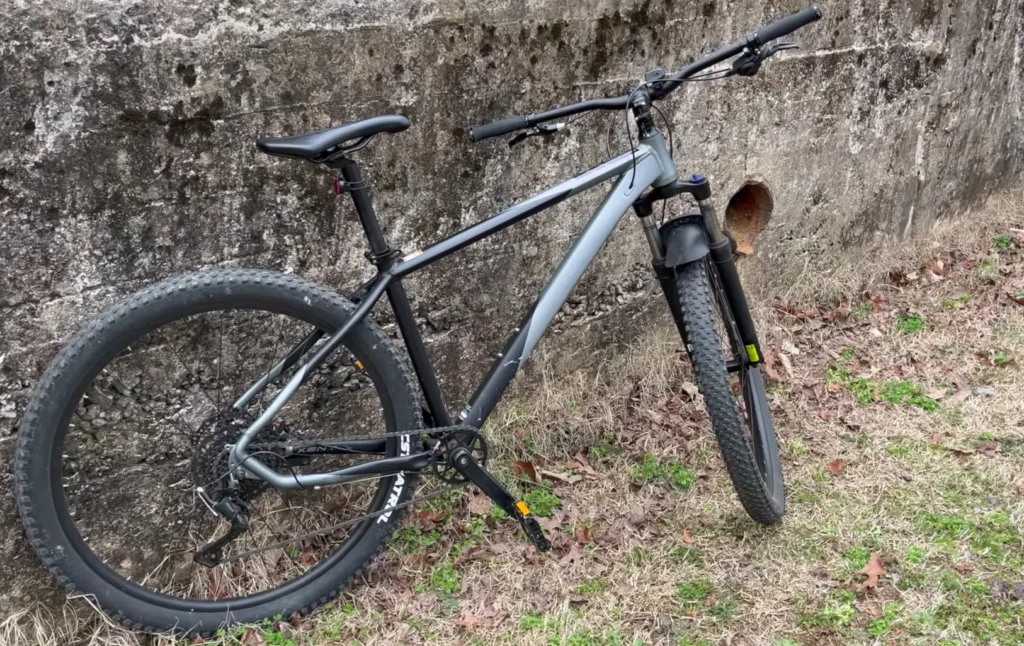
Looking over the bike, I was genuinely impressed by how well it has held up. It’s almost completely factory stock. He’s still running the original CST Patrol tires, which are surprisingly grippy and durable for a budget spec. The factory mechanical disc brakes are still biting, and the frame-a large 18-inch alloy build-looks great, even if he did lose the head tube emblem somewhere along the way (don’t worry, I’m getting him a Kev Central sticker to fix that).
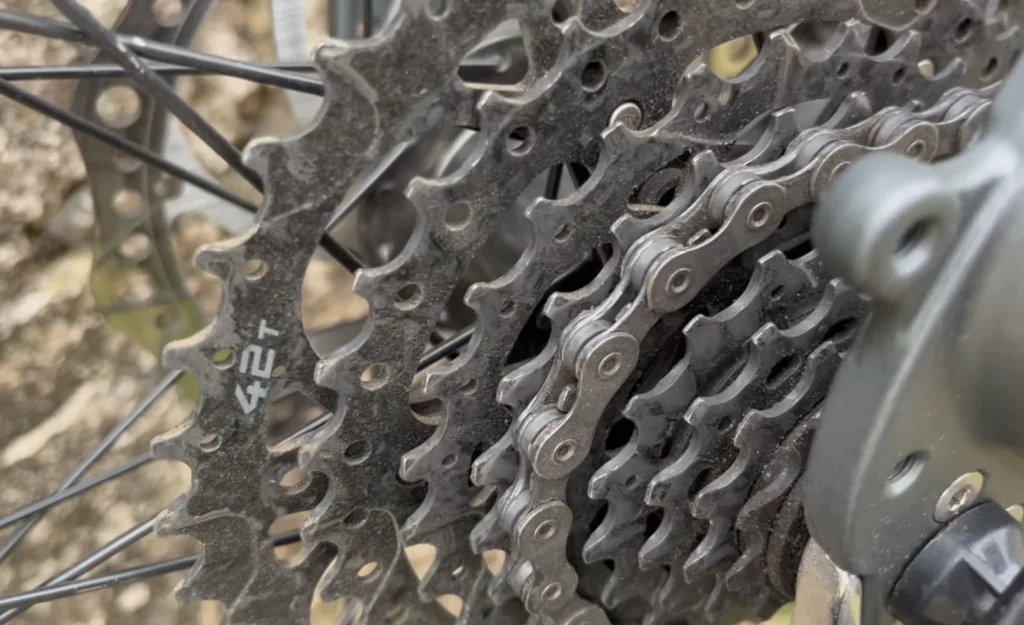
Under the hood, the Trouvaille sports a Microshift Advent 1×9 drivetrain. This specific version is the non-clutched Advent, but looking at the chain stay, it isn’t even beat to pieces. It uses a small chainring up front paired with a massive 42T cassette in the back. For an entry-level rider, that’s plenty of range to crawl up the steep stuff.
And let’s talk about that fork. It’s an SR Suntour factory fork, and Daniel is absolutely getting the full travel out of it. I’ve always said these Suntour units can take a beating if you treat them right, and this one is living proof. It’s dirty, it’s used, and it’s working exactly like it’s supposed to.
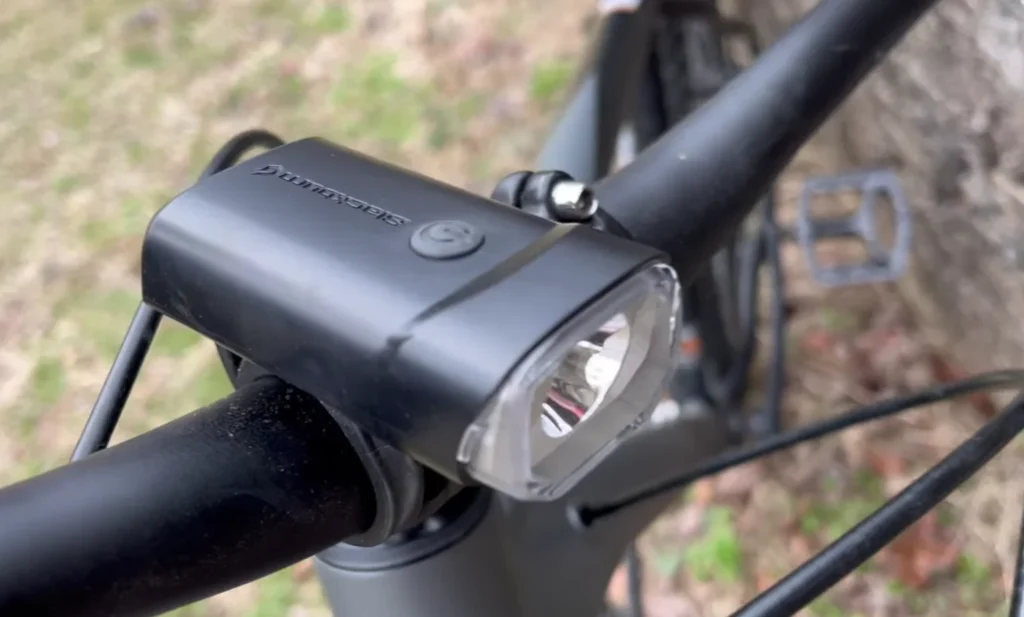
Bob has made a few “smart shopper” tweaks that I absolutely love. He swapped the factory plastic pedals for a pair of $15 Ozark Trail alloy pedals from Walmart-a huge upgrade for the price. He also added a $7 light set (front and rear!) and a simple fender. It’s a masterclass in how to build a capable trail rig on a shoestring budget.
The Kent Trouvaille is a bike that has nowhere to go but up. It features modern geometry and a tapered head tube, meaning if Daniel ever wants to go “pro” with an air fork or a clutched derailleur, the frame is ready for it. But even in its factory form, it’s out there conquering trails like Magnolia and keeping pace with the “expensive” bikes.
So, the next time someone tells you that you can’t ride a Walmart bike on a trail, It’s capable, it’s durable, and most importantly, it’s getting another rider out into the woods. That’s what this hobby is supposed to be about.