
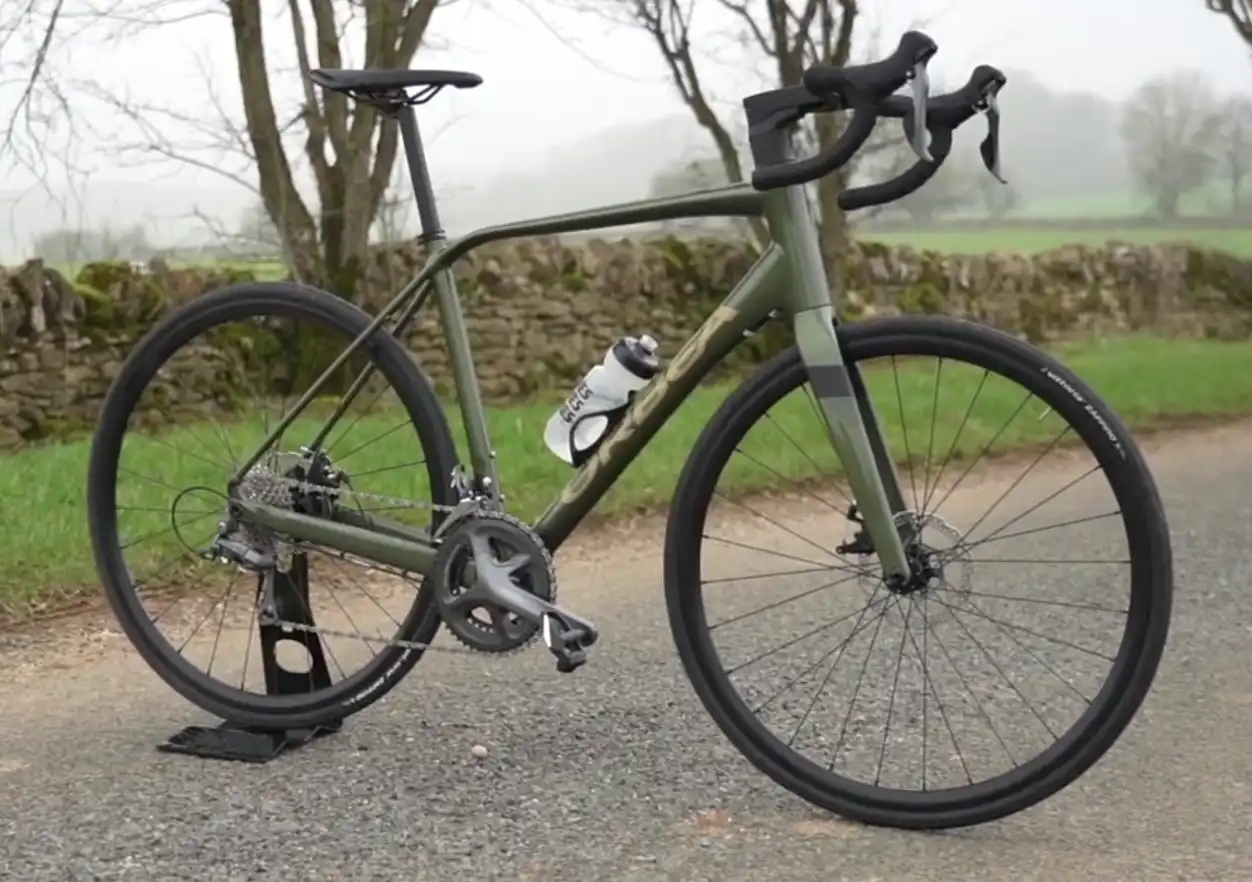
In this article we will talk about the best Road Bikes Under $2000. Here is our list of bicycles:
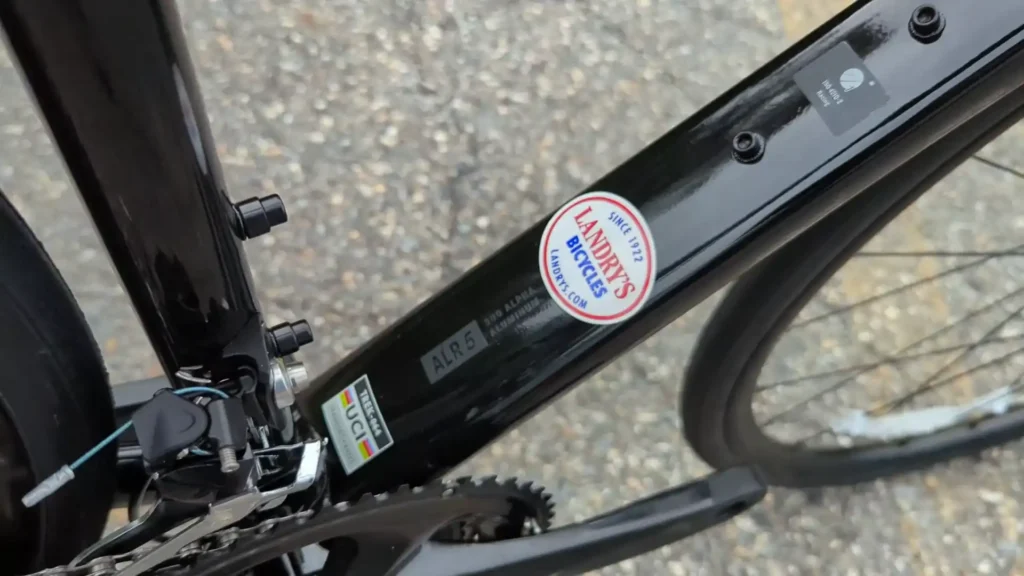
Trek Émonda ALR 5 $1995
There are some things in cycling that we can all agree on. For example, riding in the sunshine is much better than riding in the rain. And we all know that carbon bikes are lighter, stiffer, faster, and hey, a million times better than aluminum ones, right? But what if I told you that the last one isn’t always true? What if I told you that the new Trek Émonda ALR 5, this aluminum trailblazer, is only 150 grams heavier than its carbon equivalent? What have I told you? It costs almost a third less and performs pretty much exactly the same on the road. Would you believe that?
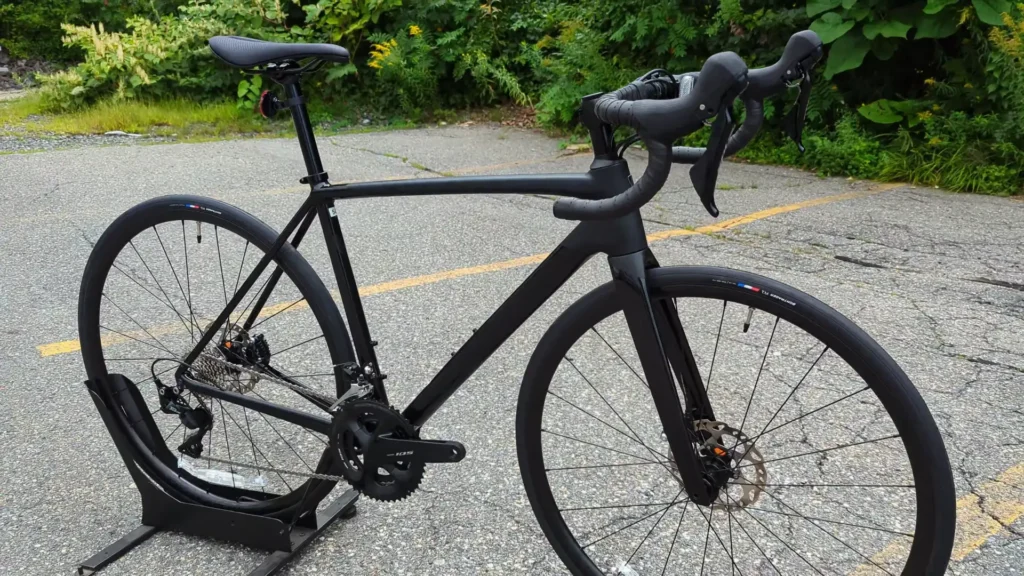
The new Trek Émonda ALR 5 pairs a hydroformed aluminum frame with a carbon fork. At $2,020 (or £2,000), it’s the cheapest way to get your hands on a Trek Émonda, the American brand’s all-round, lightweight climbing platform. This base model features an 11-speed Shimano 105 mechanical groupset and a suite of affordable yet practical components. In fact, it’s practically all the same parts as found on the Trek Émonda SL5, which costs $3,250 (or £3,350).
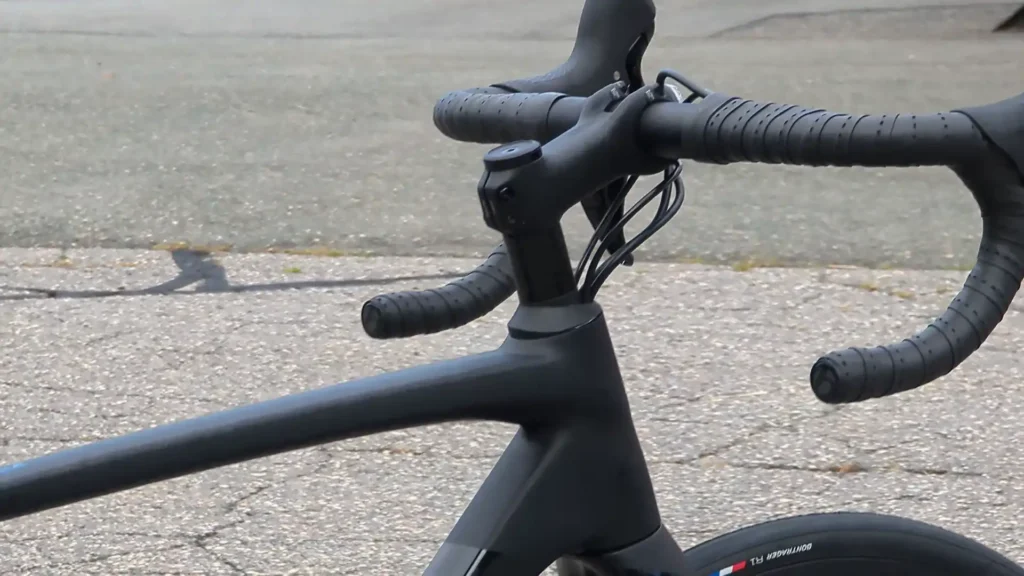
Just like that carbon version, the Émonda ALR features truncated aerofit tubing, most notably on the down tube and the fork. It also has fully internal cable routingthrough the upper headset bearing, which is claimed to reduce drag even more, while fortunately not impacting your ability to customize the front end.
It is worth pointing out that Trek hasn’t actually offered any wind tunnel data or figures to say it’s significantly faster at 50 kilometers per hour, or whatever benchmark is used. But I suspect that most people won’t really be too bothered about that anyway, as those claims can often feel pretty meaningless in the grand scheme of things. In fact, if you’re interested in this bike, I think you might be more interested in the quality of its construction. While I admittedly have never welded anything in my entire life, to my untrained eye, the results are pretty clean. You can plainly see the joints at the rear dropouts and around the head tube are much more subtle. And all things considered, it’s a premium-looking frame, especially with this rather eye-catching paint job. Though I’m sure you’ll let me know your thoughts in the comments below.
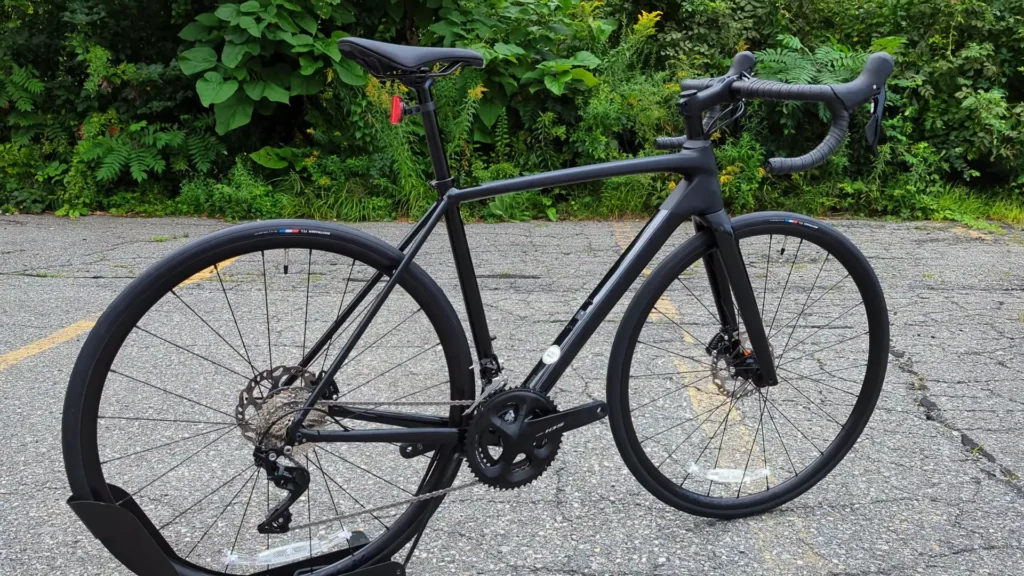
Given this is supposed to be something of a climber’s bike, let’s talk a little bit about weight. With a claimed weight of 1663 grams, this Émonda ALR frame set (which is the frame and the fork together) weighs just 34 grams more than the carbon Émonda SL frame set. Of course, the top of the range among the Émonda SLR frame set is at 1140 grams, significantly lighter. However, it is also significantly more expensive, costing $4,900 for the frame set alone. So that hardly feels a fair comparison.
In terms of how it all comes together, this size 56 Émonda ALR 5 weighs just over 9 kilos. Which, of course, is not super light in the grand scheme of things. But to be fair, it is competitive with rivals such as the Specialized Alpecin Comp and the Cannondale Cadent 13 Disc 105. It’s also, as mentioned in the intro, only 150 grams more than the overall weight for the carbon Trek Émonda SL5. Which isn’t bad considering that it costs almost $1,000 less.
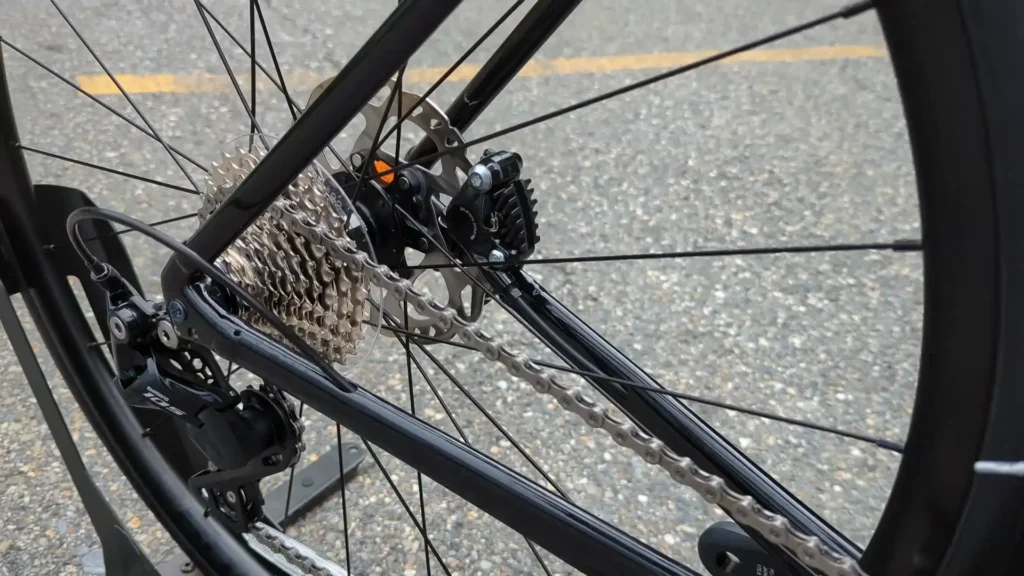
In terms of geometry, the Émonda ALR 5 adopts the same h.15 Geo featured on the carbon Émonda and the new Trek Madone SLR. This sits in the middle of Trek’s previous Pro-style H1 and the more relaxed H2
fit geometries. Basically, it means that most riders should be able to customize the front end to get their preferred fit, whether that was long and slammed or shorter and more upright. It’s also notable that the Émonda ALR frame set is actually available in eight sizes, from 47 to 62 centimeters. Which is good news for those at the more extreme ends of the sizing bell curve.
Compared to something like the Specialized Alpecin, a similarly racy aluminum bike, the Émonda ALR geometry is just a little bit more relaxed with a tiny bit more trail to slow down the front end handling and a slightly higher and shorter riding position. Fortunately, though, the inclusion of standard parts such as a 27.2 millimeter seat post, a round steerer, and a non-integrated front end means that if you do want to go to town and build the bike to your precise fit, that’s a pretty easy thing to do. And for me, it’s a real breath of fresh air out on the road.
Orbea Avant Disc $1300
Stepping into the around $2000 road bike market, the Orbea Avant Disc offers more than just value – it brings a modern aesthetic and surprisingly capable performance.
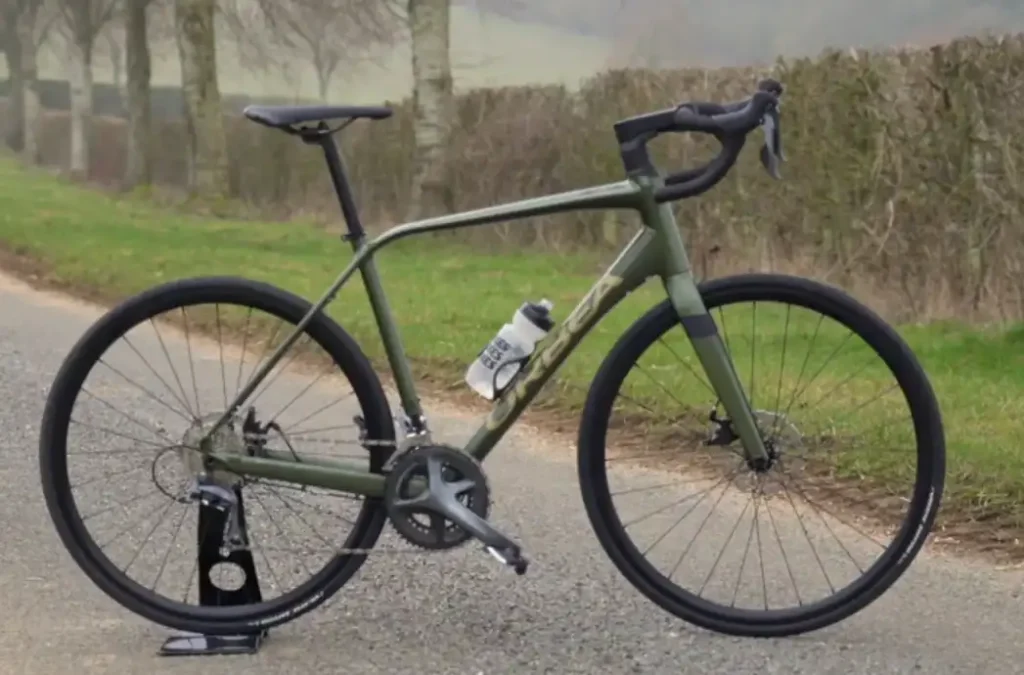
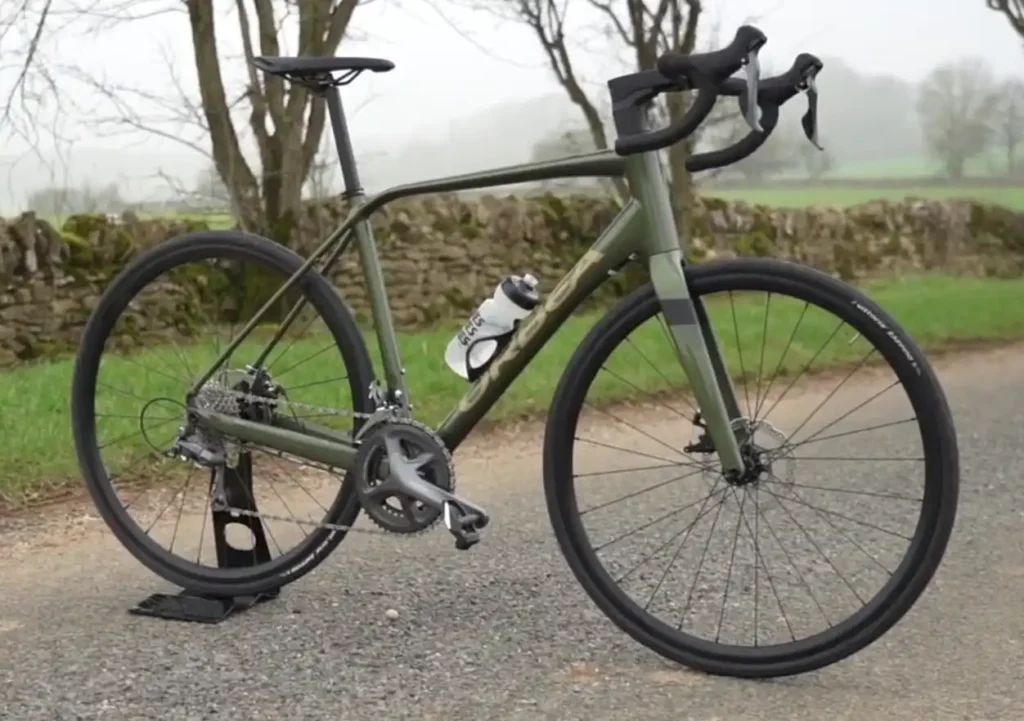
Price & Target Audience: At around $1300 , it punches above its weight class. Aimed at newer riders or those upgrading from mountain bikes, it provides an easy and fun riding experience without breaking the bank.
Key Features & Build Quality: What truly sets the Avant apart is its integrated cable routing. Cables run neatly underneath the stem and through the steerer tube, hiding them completely and giving the bike a clean, high-end look – a feature usually found on much pricier bikes. This is a definite plus for aesthetics.
The frame itself is a triple-butted hydroformed alloy unit, weighing a solid 10.95 kilograms (24.1 pounds). While not feather-light, it’s perfectly typical for this price bracket. Orbea includes their own aluminium eatpost, stem, handlebars, and saddle (a Cell Royale), ensuring everything bolts together seamlessly. There’s also space for wider tyres (up to 35mm), offering more comfort and versatility.
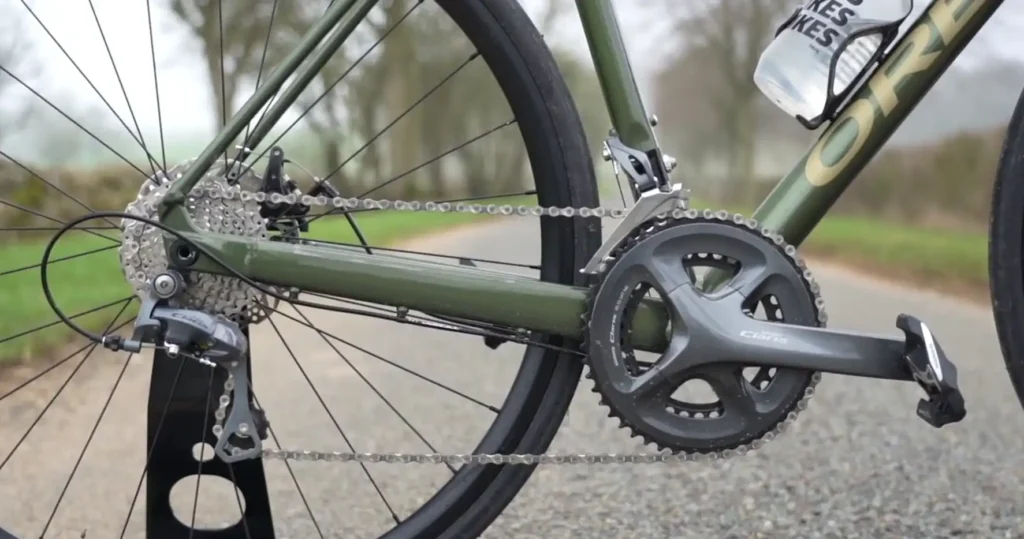
Performance & Riding Experience: On the road, the Avant hides its modest weight surprisingly well. The ride is smooth, thanks to the 28mm rims (or clearance for wider tyres) and decent padding. Handling is stable and planted, making it easy to control, especially on the descents. The Shimano Claris 8-speed groupset provides a wide enough gear range for hills and flats, with reliable and precise shifting. While not matched by hydraulic discs, the included Texture mechanical disc brakes are perfectly adequate for the price and conditions, offering decent stopping power without the complexity of hydraulics.
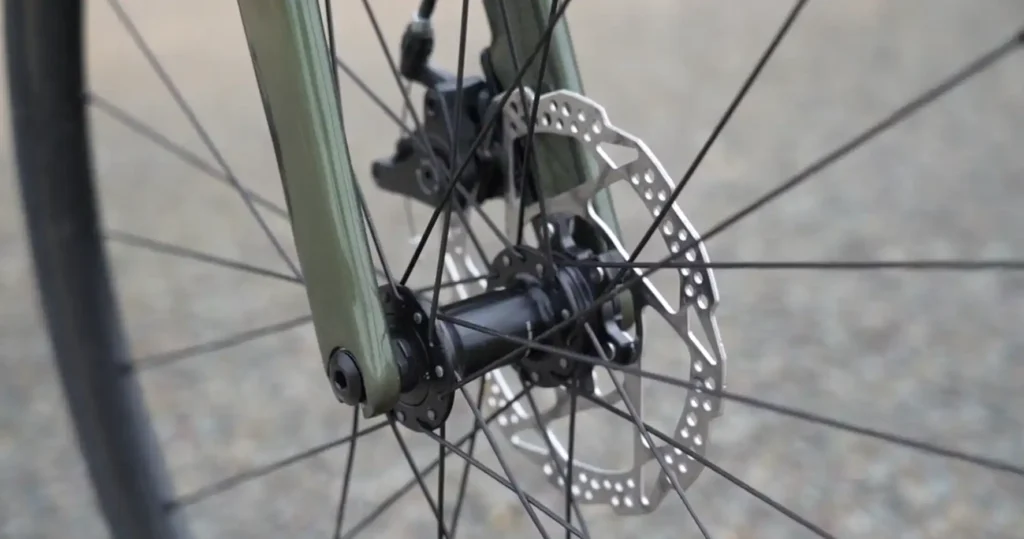
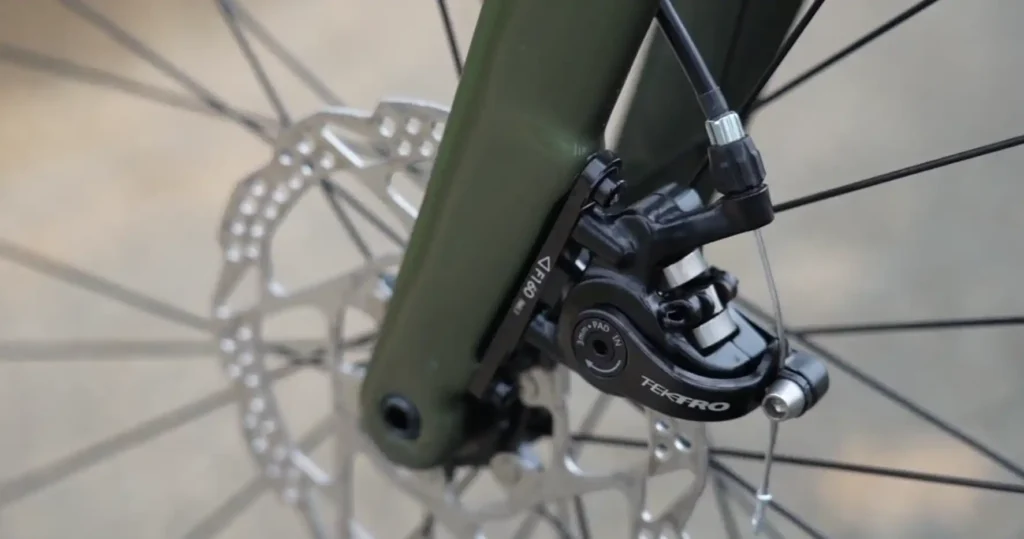
Overall, the Orbea Avant Disc is a very solid package. It’s easy to ride, looks modern, and offers excellent value for money. The integrated cables and clean build are definite bonuses. While it might not excite hardcore racers with its weight or top-tier components, it’s an incredibly capable bike for its price point, making it an easy recommendation for those seeking an affordable entry or upgrade to disc brakes and a modern road bike feel. Definitely worth considering if you’re looking for a bike that punches above its weight.
Giant TCR Advanced $1950
Giant’s iconic lightweight race bike, the TCR, has received a significant update for 2024. Key changes include a lower overall weight, a more aggressive “more Arrow” design aesthetic, and a stiffer chassis. The most visually striking alteration is the complete integration of the front end, eliminating all visible cables. Alongside these changes, new forks and wheelsets have been introduced. This popular bike, often seen as the quintessential way to get maximum performance for your money, now asks if these upgrades are substantial enough. On initial inspection, it feels like a case of marginal gains and minimal change, but let’s delve into the details.
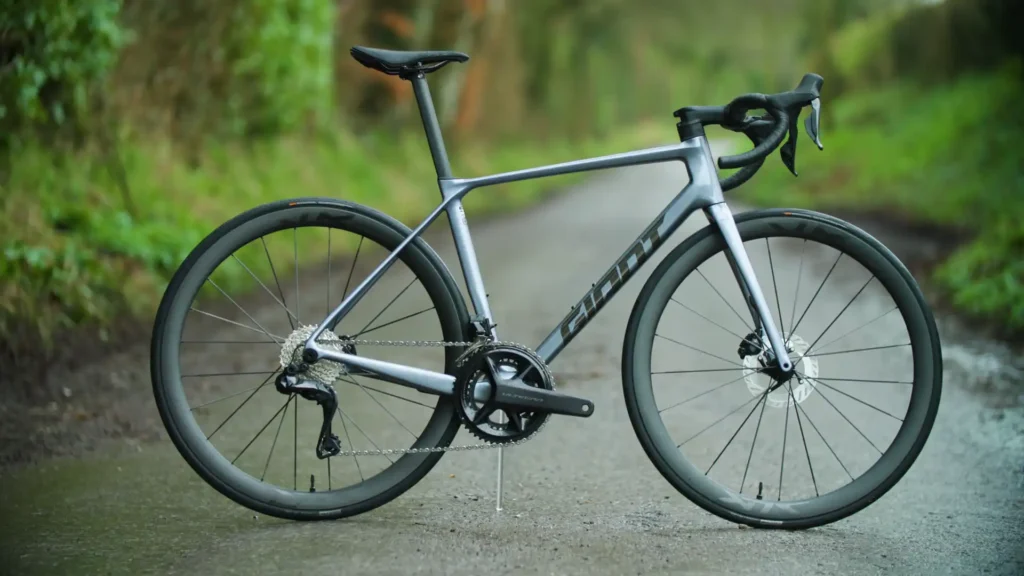
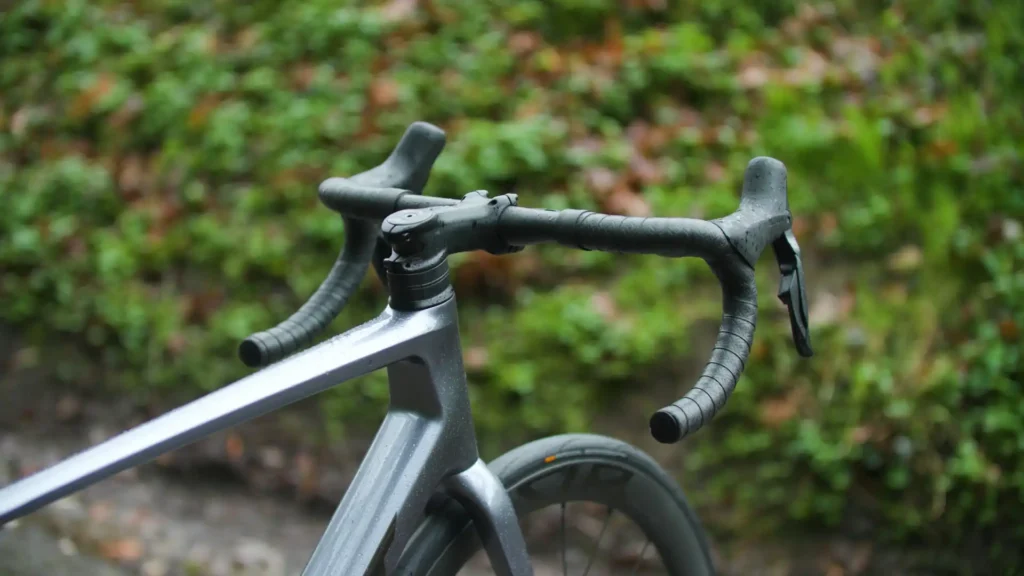
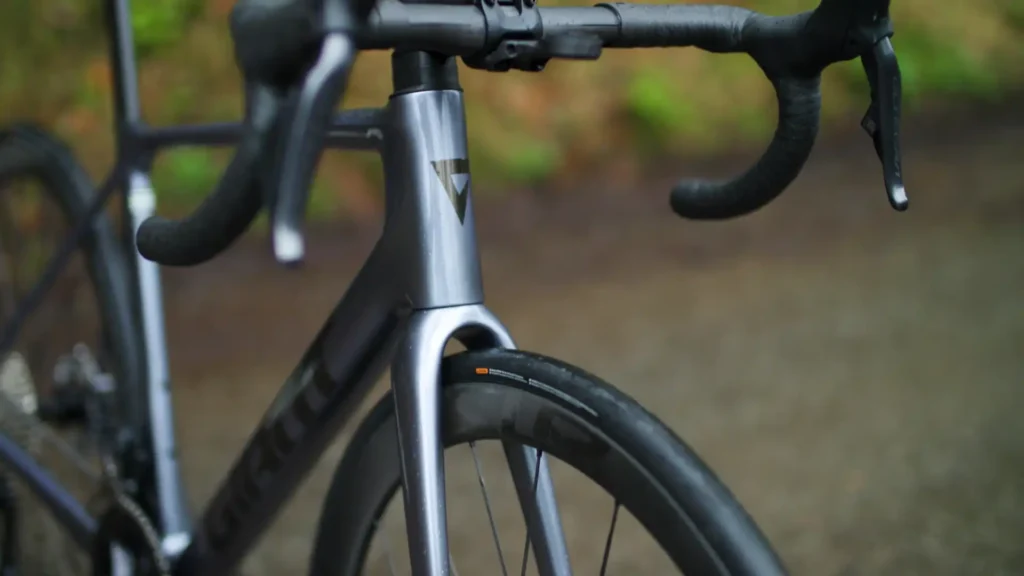
The major news is the full integration of the front end, meaning no single cable is visible. This integration extends to the new fork and the new wheelsets available. The TCR remains a massively popular bike, frequently considered the go-to choice if you want a lot of performance for your buck. But, are these changes enough? On first look, it seems like a situation where the improvements are incremental, rather than revolutionary. But before we get stuck into the specifics, let’s hear Warren’s initial thoughts.
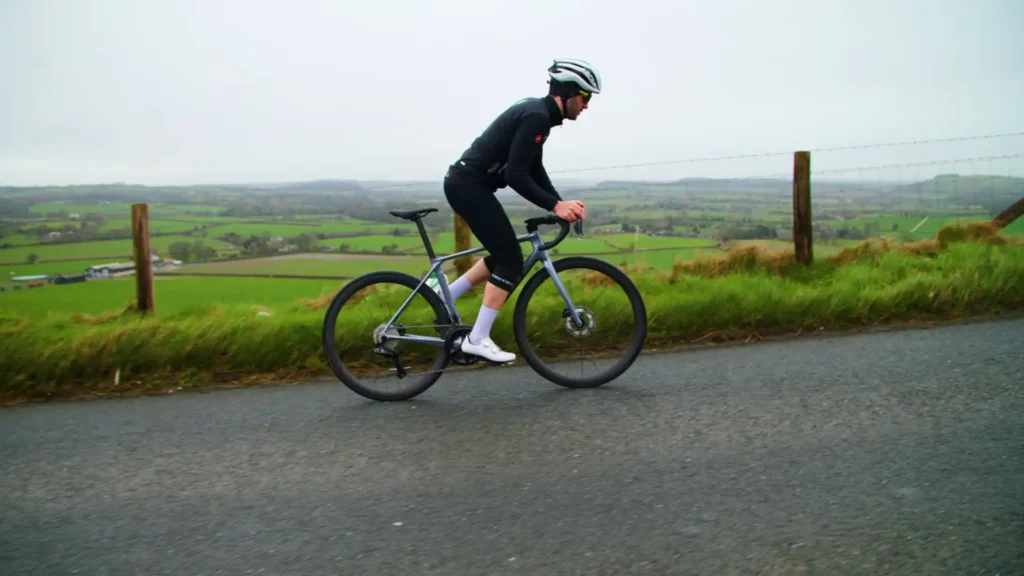
Thoughts: Fantastic news for all of you weight weenings out there. The Giant TCR is said to be lighter than the previous model. The Advanced SL model, including the integrated seat post, weighs a claimed 1358 grams for the frame set. This is the SL model, which includes the integrated seat post, giving a claimed weight saving of 384 grams compared to the 2021 model. Giant attributes this weight reduction to several new, state-of-the-art production techniques. The first is a new Ultra-precise cold blade cutting technique, replacing the laser cutting process from before. This apparently results in fewer, more precisely shaped pieces, contributing to a lighter overall frame weight. However, a quick note: this is limited to the SL frames, which use a single inner bladder instead of the usual three to create a one-piece front triangle.
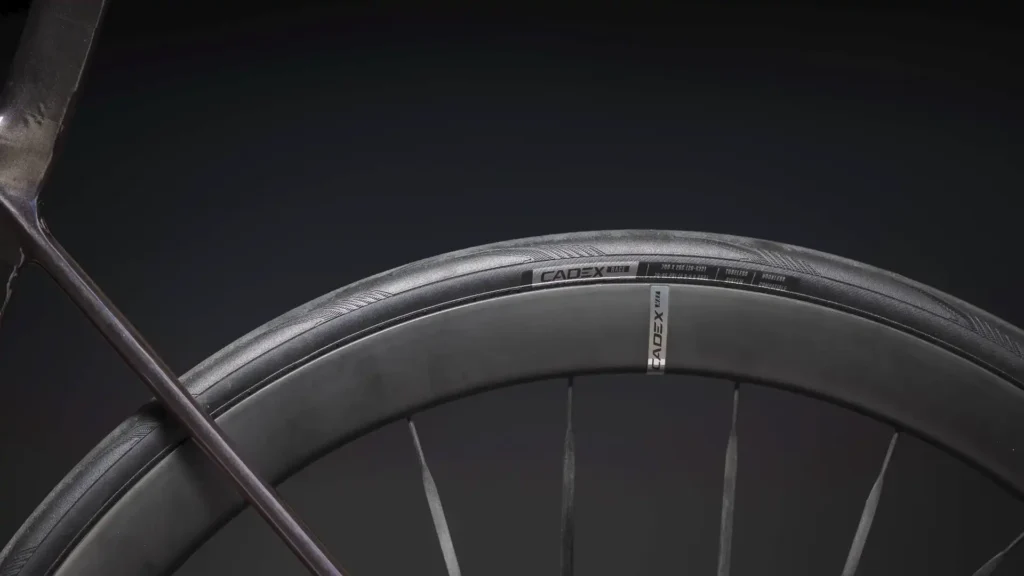
Giant claims this further minimizes frame weight without sacrificing stiffness or aerodynamics. You’ll also find a new stem supplied – the feathery light Contact SLR Aero light stem, which comes on higher-end models. It weighs a claimed 123 grams for a 100mm length. The aluminium Contact SL stem weighs a claimed 161 grams. There are also new wheelsets: Advanced SL bikes get the recently launched Cadex Max 40 at 1249 grams. They feature carbon spokes and aerrow hub flanges. Lower-end models get the new Giant SLR 40 wheel set, which also features carbon spokes, a similar rim profile, and comes with a claimed weight of 1339 grams.
Despite the weight loss, Giant states the new frame is stiffer in key areas. Frame stiffness determines the amount of overall frame and fork torsional flex under load. Pedaling stiffness measures the lateral flex of the bottom bracket area when you’re giving it some welly. Most of the gains in stiffness, according to Giant, come from modified sections of the head tube, down tube, and bottom bracket areas. The net result, claims Giant, is an uncompromising race bike delivering explosive acceleration and unyielding pedaling stiffness. They state this translates to a 0.53% improvement in terms of frame, fork, and pedaling stiffness for the SL model over the 1921 SL model – a marginal improvement, but still an improvement.
Giant is also very keen to highlight the new fancy Cadex Max 40 wheels launched last month, alongside the Giant SLR 40 wheels. Both feature carbon spokes. These wheelsets boast data claiming better stiffness-to-weight ratios
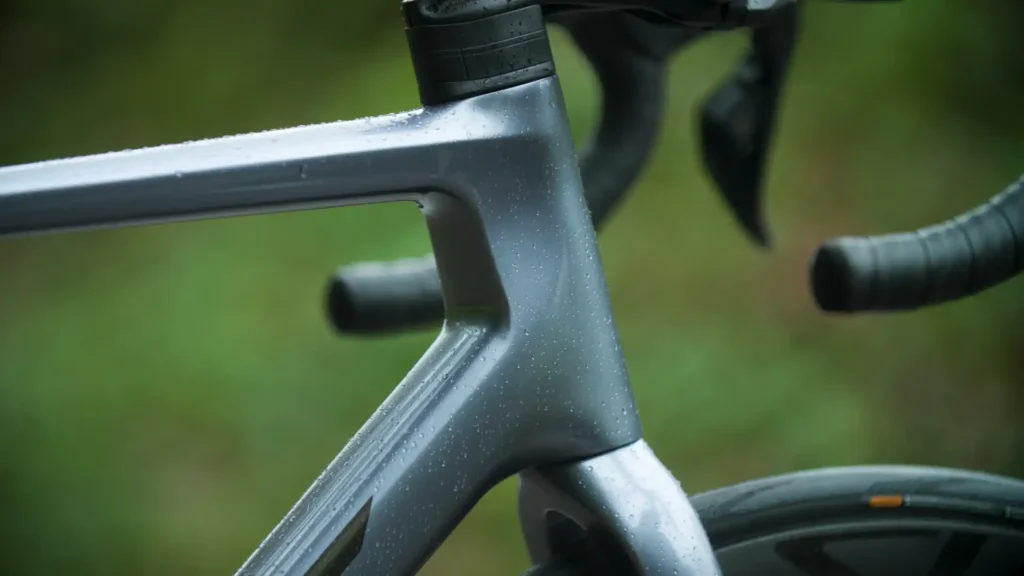
Along with the weight savings, Giant claims the new TCR is 4.19 watts more efficient than the 2021 model at 40 km/h. The most notable feature aiding this figure is the neatly integrated front end. The TCR uses a semi-integrated cable routing design via its new Contact SLR Aero light stem and the 160 gram Contact SLR handlebar. Giant claims the integration is more Arrow, and it also adds flexibility by allowing extra cable length during assembly, reportedly making it easier to adjust height using the headset spacers.
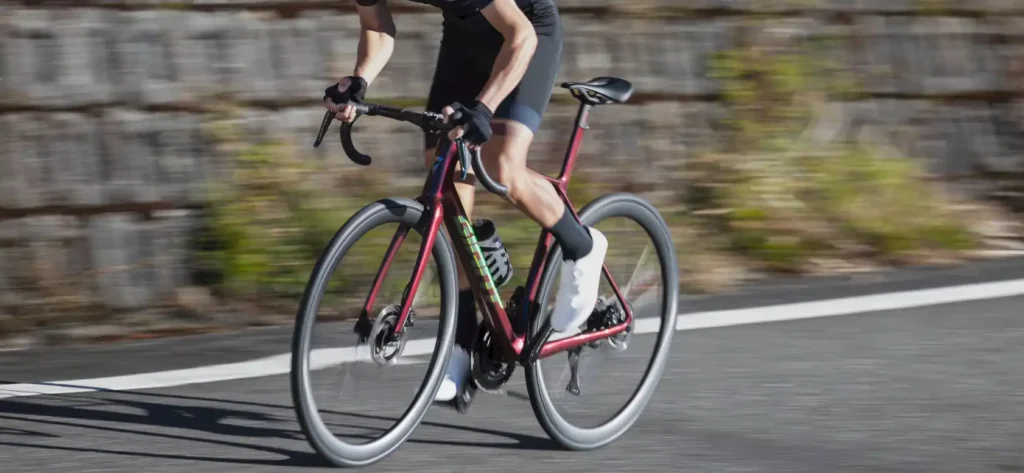
The fork features a new D-shaped steer tube, first seen on the Propel before migrating to the Defy. It also has a new crown and an aerodynamic leg shape developed in conjunction with the down tube. Giant states this also features a new truncated ellipse tube shape for improved airflow, as before. The Giant TCR Advanced SL uses an integrated seat post, while the Advanced and Advanced Pro models get a more common two-piece system. All tube shapes were developed using computational fluid dynamics (CFD). The result is a new airfoil section consistently lowering the drag coefficient at a wider range of your angles compared to traditional teardrop shaping.
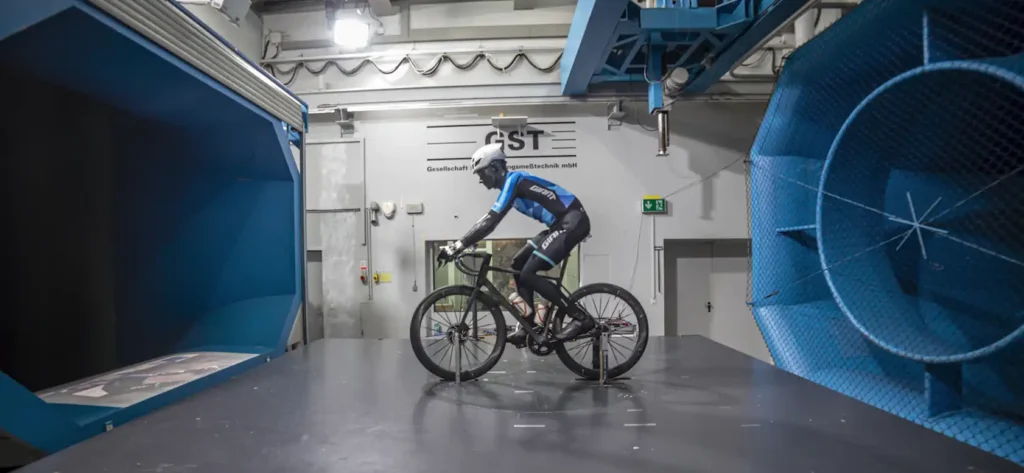
Giant’s testing at the GST wind tunnel in Germany used a dynamic dummy, supposedly more accurately revealing the aerodynamic effects of the rider while pedaling, including moving wheels and a drivetrain. Significant gains were found in down tube, seat post, and fork shaping. The aerodynamic flow around the down tube was designed with 500ml water bottles fitted.
The new Giant Cadex wheels add to the overall Arrow savings. Giant claims they feature a redesigned hookless rim profile, 22.4 mm wide internally. This creates a seamless interface between the rim wall and the tire sidewall for 28 mm tires they are optimized. No external rim width or Arrow claim is attached, however. If wider tires are your preference, the bike now takes up to 33 mm tires, up from the previous limit of 32 mm.
Pricing presents a mixed picture, depending on your location. The base model, the Giant TCR Advanced 2, remains around $2,200
Weight Loss and Stiffness: The Engineering Behind the Update
Giant’s engineers focused significantly on shedding weight without compromising performance. The Advanced SL model tips the scales at a claimed 1358 grams for the frame set including the integrated seat post – a saving of 384 grams compared to the 2021 model. This substantial reduction stems from a new manufacturing technique: Ultra-precise cold blade cutting, replacing the older laser cutting process. This method allows for fewer, more precisely formed components, contributing to the overall lightness. The SL frame specifically uses a single inner bladder for the front triangle construction, further minimizing weight.
But losing weight doesn’t mean sacrificing feel. In fact, Giant states the new frame is stiffer. Two key stiffness metrics were improved: torsional stiffness for power transfer through the wheels and pedaling stiffness, preventing flex under pedal load. The enhancements primarily come from refined shapes in the head tube, down tube, and bottom bracket area. This translates to an overall 0.53% increase in stiffness for the SL model, ensuring the bike remains responsive and direct, even with a lighter build.
The new Cadex Max 40 wheelset, weighing in at 1249 grams, adds to the lightweight theme. While the frame is a significant part of the bike’s feel, the wheels also contribute to the overall weight savings. The SLR 40 wheelset for lower trims also benefits from this weight-conscious approach, weighing 1339 grams. The integration of these lighter components, combined with the frame updates, positions the TCR as a truly lightweight option.
Aerodynamic Tweaks and Component Refinements
Beyond weight, aerodynamics were another key area of focus. The new design language is described internally as “more Arrow,” suggesting a more aggressive, purposeful look. This visual update likely incorporates subtle aerodynamic improvements, though specifics weren’t detailed beyond the overall shape changes.
The front end integration is a major aesthetic and functional change. Utilizing the semi-integrated stem and handlebar, along with a new fork design featuring a D-shaped steerer tube and a redesigned crown, the front section is now cleaner and more compact. This integration isn’t just cosmetic; it allows for a more streamlined appearance and potentially minor aerodynamic benefits, achieved partly by allowing for extra cable length during assembly, reportedly improving fit and potentially reducing drag slightly.
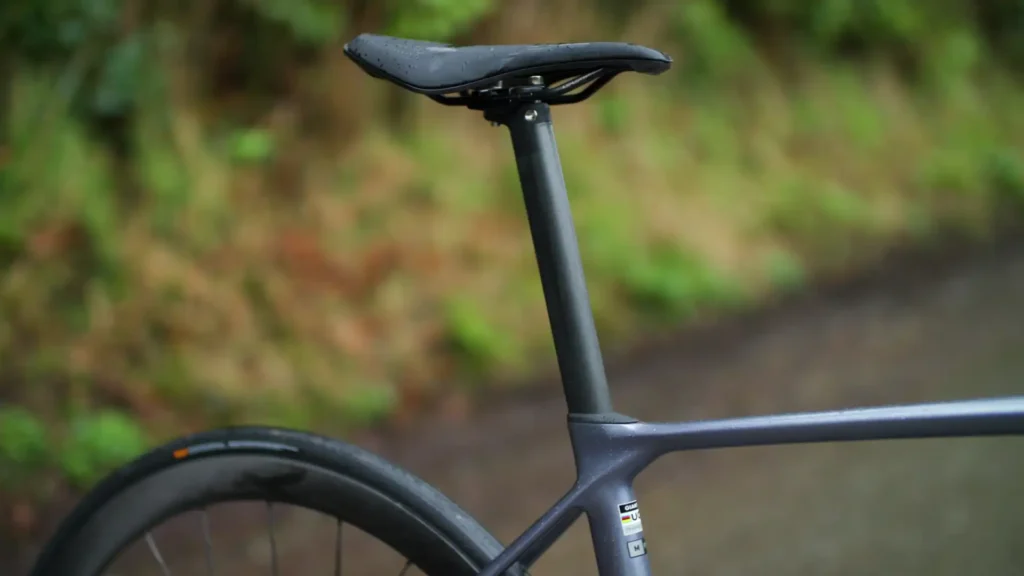
New components further enhance the package. The Contact SLR Aero light stem, weighing just 123 grams, is supplied on the higher-spec models. This stem, combined with the integrated handlebars, contributes to the clean look and potentially minor gains. The fork itself gets a new crown and an aerodynamic leg shape designed to work in harmony with the down tube, showcasing a holistic
approach to the bike’s form.
The new rim profile on the Cadex Max 40 and SLR 40 wheels is designed to be wider internally (22.4mm). This hookless design aims to create a smoother transition between the rim and the tire sidewall, potentially reducing turbulence and improving airflow, especially with modern, wider tires. This refinement, alongside the overall lighter frame and integrated cockpit, contributes to the bike’s claimed increased efficiency.